Pokémon Go didn't invent anything
Originally published on LinkedIn
History is littered with examples of technologies that failed to gain traction as a result of having launched too soon -- mainstream consumers not being ready to adapt to the changes, or unwilling to risk disturbing the social norm.
The most prominent failure occurring only a couple of years back: Google Glass.
There are numerous reasons why Google Glass did not live up to its promise of a new future, ranging from a poor product launch to a terrible marketing strategy. However, it did have the backing of one of the techno-giants, limitless resources and the 'cool' factor that had athletes adorning it. Unfortunately, the design chalked it up as a cultural faux pas -- an obtrusive device, always visible, that marked its user as 'different.'
There are many uses of technology that would be considered cultural or social absurdities. There is a tendency to be against technological change, otherwise known as 'technological inertia.' Now consider a game which would have you physically walking around looking at your phone to make any progress, and where the player skill required was minimal.
Who would actually play this, and how could it possibly fit into modern day society?
The answer is to look at Ingress -- an immensely popular geo-location based game developed by the same people behind Pokémon Go, that you'd likely never heard of before Pokémon Go launched. Loved by millions worldwide, yet only a blip on the radar compared to the phenomenon that followed.
Why is it that Pokémon Go -- which is a stripped-down version of Ingress by any measure -- took the world by storm? Here are three reasons.
#1 -- Branding
Combine the following:
- A 20-year-old franchise loved by millions, pervasive across gaming, television, movies, and merchandise.
- A niche, novel concept -- location-based gaming.
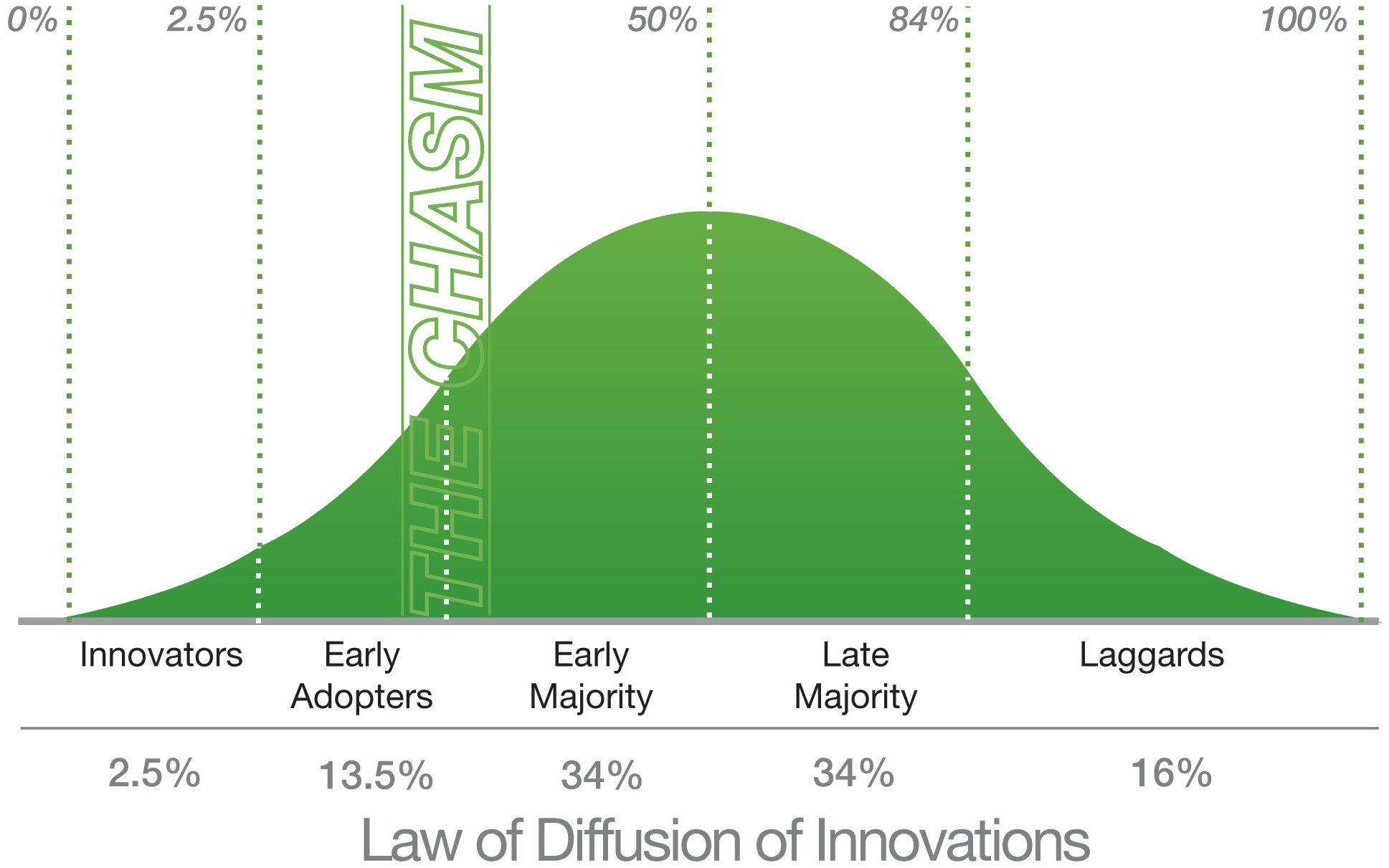
And you have a strong case to push your product past the 'chasm' -- that bridge so many ambitious products fail to cross:
#2 -- Timing
Being at the right place at the right time is said to be the reason for many successes, and the story is no different for Pokémon Go. Two key factors made 2016 the ideal launch date.
Smartphones
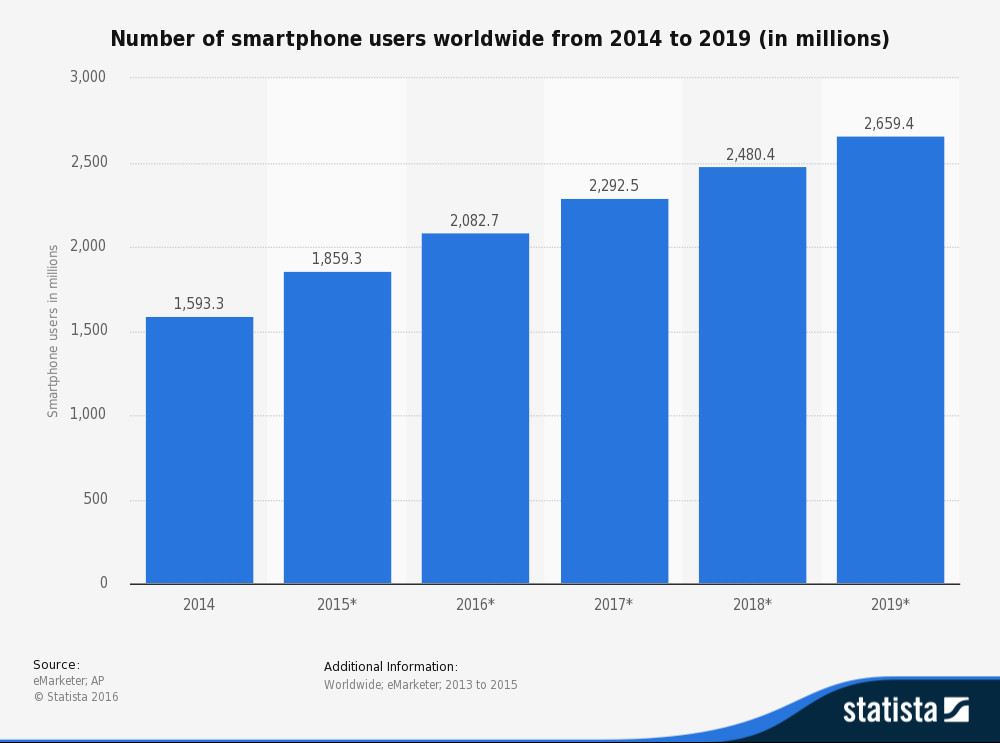
The availability and prevalence of smartphones means the current market size for potential Pokémon Go players was higher than it had ever been -- estimated at a staggering 2 billion users.
I do this for the love of writing — each subscriber costs me money. But please subscribe anyway and spread the word.
Revenue model
The microtransactions in Pokémon Go are not a new concept -- they've been refined over years. Game designers have figured out the ideal recipe between playability, game progress, and player engagement to maximise user retention, and by extension, earnings.
Age of fanbase
Pokémon was a children's product when it launched in 1996. By 2016, it was a brand loved by the lucrative 18--35 year old market. To put it simply -- the fanbase can now afford to shell out cash for what they love, and this plays directly into Pokémon Go's projected revenues.
These factors combined made for a thriving platform to launch on. The market size was immense. All that remained was to market it well.
#3 -- Marketing
Enough word-of-mouth and hype around a product is really all that's needed to get it going in most cases.
But word-of-mouth and hype are sensitive to campaigns that create the right product message -- that find the right context and circumstances to spread; and that identify and enlist the right product pioneers, consumers who are ready to influence other consumers.
Nintendo and Niantic did just that:
- They translated a cartoon world into a real one with the right message for gamers, fulfilling:
"Get up and go, catch Pokémon in the real world with Pokémon Go, get on your feet and step outside to find and catch wild Pokémon. Explore cities and towns around where you live and even around the globe to capture as many Pokémon as you can." -- Pokemon.com
- They identified the right product pioneers -- young people who use smartphones constantly and are more than willing to share their current obsession via social media.

- Augmented reality lets players take photos of Pokémon in their day-to-day context, which leads to increased engagement and the kind of fond, shareable memories that sustain a product long after launch.
All that remains is to ensure your product matches what's advertised -- and success will follow. Only time will tell whether this was the start of a new era in gaming.
Food for thought
- The craze around Pokémon Go looks to only be growing. Will the buzz last and grow into something greater, or is this just another fad?
- Why are you currently playing -- or not playing -- it?
Disclaimer: Thoughts are my own and do not represent any other parties.
Newsletter
I do this for the love of writing.
Each subscriber costs me money, but please do it anyway and spread the word. Monthly at most.