3 changes blockchain will enable for the energy industry
Originally published on LinkedIn
The energy industry has existed since the dawn of fire. From trading firewood and coal in 2000 BC, to the present day behemoth that is the energy industry.
How do you then disrupt an industry that is as integral to our day-to-day lives as water?
Current state
For this article, let's focus on electricity generation.
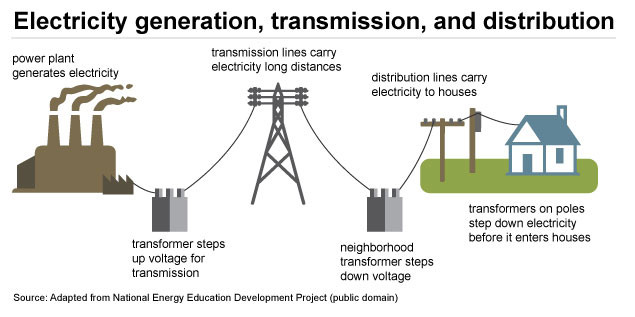
This is a model that's worked since the Industrial Revolution. Large power plants owned by governments and corporations generate power that is then distributed. The electricity grid powers the vast majority of the world and is largely taken for granted.
Introducing the Prosumer
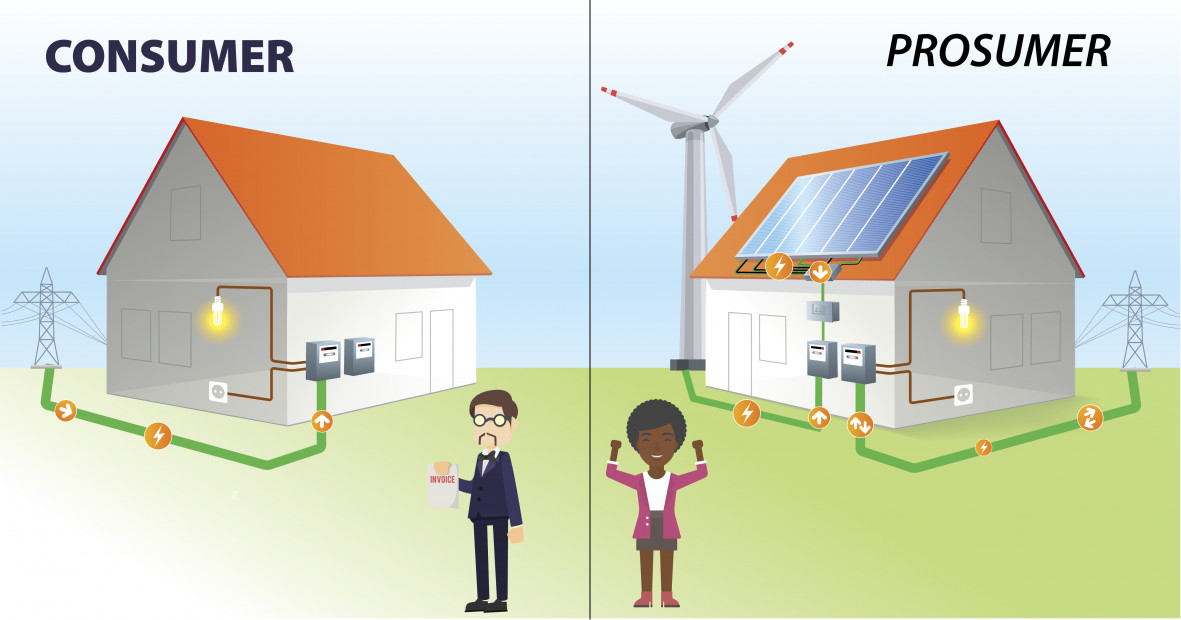
Someone who both produces and consumes energy -- a shift made possible, in part, due to the steady increase of renewable power like solar and wind, as well as newer and cheaper technology.
The increase in prosumers is one of the most exciting trends in energy production. Emerging renewable energy technology can help preserve the environment, drive growth, and provide more energy choices for locals and communities -- driving even greater competition and innovation in the energy sector.
Blockchain for energy
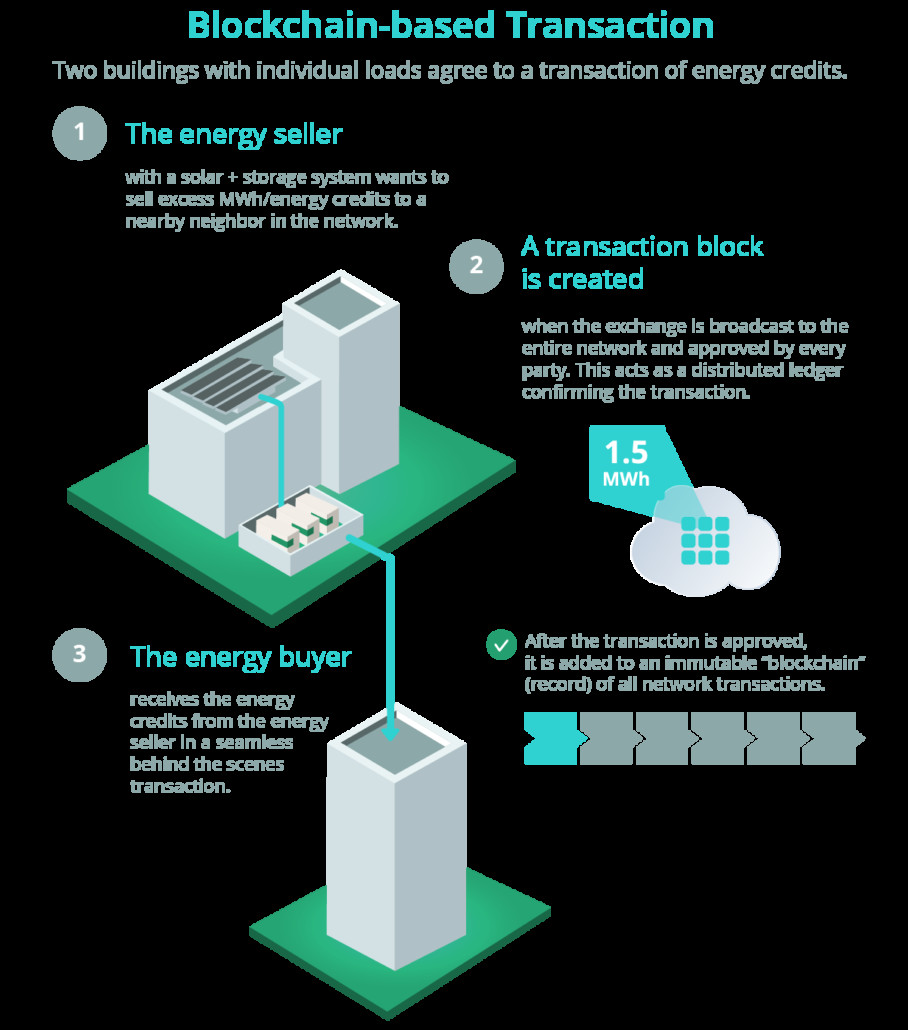
#1 -- Peer-to-peer energy trading
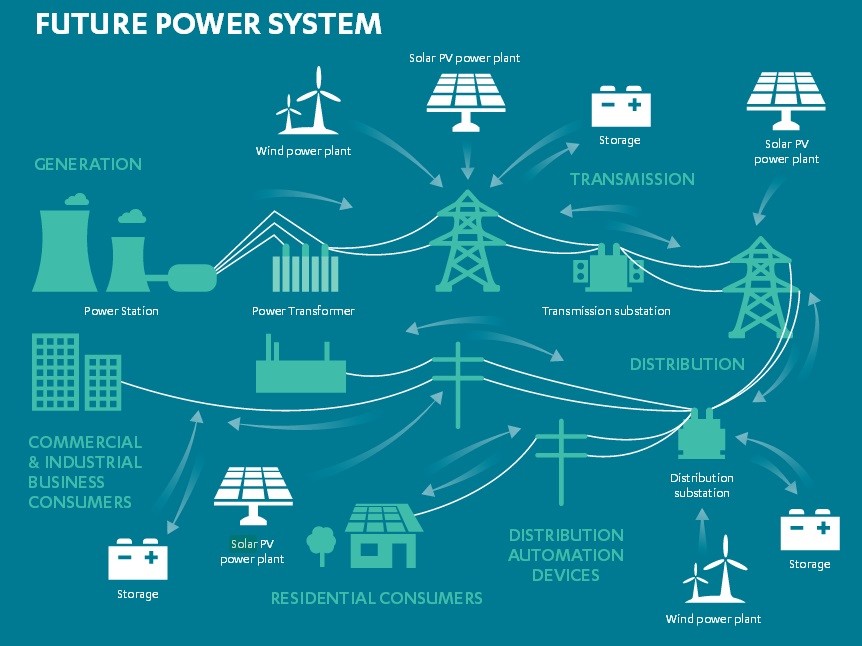
Blockchain will upend the traditional relationship between electric companies and consumers, putting ever more control in the hands of customers and prosumers. Decentralising the monolithic energy grid with microgrids, decentralised grids, or self-generated power will be made easier with distributed ledger technology.
Imagine a world where you could charge your EV using the solar power your neighbour generated -- with no middleman involved.
Most notably, Power Ledger, a blockchain startup, trialled a residential electricity trading market at a housing development in Perth last year, and is looking to expand to enable electric vehicles to use their network as well.
#2 -- Instant matching of trades
When it comes to energy and commodities trading, trust and verification of trades are required as various intermediaries play a part in a transaction.
In a classic Over the Counter (OTC) commodity trade, counterparties confirm the deal details in order to minimise the risk of an incorrect trade. This 'confirmation matching' is typically done electronically by each commodity trader in the transaction.
Blockchain can be used to automate this trading process. Peer-to-peer trading and OTC commodity trading could be underpinned by smart contracts that provide the trust and efficiency needed to remove the friction involved in every transaction.
Whether all regulatory constraints can be met through smart contracts is a point of discussion as regulation evolves to match the technological advances taking place.
Thus far, 20+ European energy suppliers and traders have joined Ponton's Enerchain consortium. Enerchain is a platform based on blockchain technology to enable wholesale energy trading as well as P2P trading.
#3 -- Payments
To address the elephant in the room -- you could use blockchain technology, such as Bitcoin, to enable simple payments.
We've seen Elegant in Belgium and Marubeni in Japan roll out Bitcoin as a method of bill payment. Bankymoon in Africa has a social initiative named Usizo that enables anyone to "send" electricity, water and gas to anybody else in the world, from anywhere, by topping their blockchain-aware utility meters.
An interesting use case is that of EVs. Electric vehicles could have their own eWallets that store cryptocurrencies automatically transacted for the purpose of charging, road tolls, parking, or even car-sharing.
The key takeaway is the ability to make payments incredibly easy and cut out physical, regulatory and financial barriers to payment if the provider so chooses.
Wrap up
I was recently at a Blockchain for Energy conference -- you might find this video a good intro to the area ("Blockchain as an energy sector game-changer" by Callaghan Innovation).
Leave a comment and let me know whether you think the energy sector will be quick to capitalise on the opportunities or not.
Disclaimer: Thoughts are my own and do not represent any other parties.
Newsletter
I do this for the love of writing.
Each subscriber costs me money, but please do it anyway and spread the word. Monthly at most.